Παρέχουμε υπηρεσία 24/7 υποστήριξης. Δραστηριοποιούμαστε πάνω από 20 χρόνια στο χώρο της ψύξης όλα αυτά τα χρόνια με συνέπεια και επαγγελματισμό. Για εμάς οι ευχαριστημένοι πελάτες αποτελούν πρωταρχικό στόχο και αυτός είναι ο σκοπός μας.

Greece tours open the door to old temples, bright islands, quiet mountain villages and long lunches by the sea. First-time visitors, couples, families, friends and solo travelers all find something that fits their style. A good tour takes the stress out of planning, so the trip feels easy from the very first morning.
This guide explains what to see, which kinds of tours people book and what usually comes with them. It moves from the capital to the mainland, then on to the Cyclades and the large islands. For more trip ideas, My Greece Tours shares plenty of friendly local advice.
Greece tours in the capital start at the Acropolis. Then they move through old streets, green gardens and lively markets, and some head south to the sea at Cape Sounion. Travelers who want more ideas can compare Greece tours and Tours In Greece before picking the right day plan.
The Acropolis hill rises above the city, and its marble temples catch the soft morning light. On the south slope sits the Theatre of Dionysus, where crowds once watched the earliest Greek plays. Many people book guided Acropolis tours so a guide can explain the old stories in plain words.
Just below the hill, the Acropolis Museum shows statues and carvings found on the rock. Its glass floors let visitors look down at an old neighborhood under their feet. Nearby, the Roman Agora was once a busy market. Next to it stands the Tower of the Winds, an old weather station and clock.
Hadrian’s Arch once marked the line between the old Greek town and the newer Roman part. Close by, the National Garden offers shade and quiet paths. In the evening, the old quarter of Psyrri fills with music and small tavernas. Day trips also head to Cape Sounion, where a sea temple faces the sunset.
Private tours with a driver-guide suit families with young children and couples who like a slower pace. One rate covers the whole party, so it can feel fair when friends share a car. On the coast, a private skipper can take a small boat out for the day.
Boat cruises with swim stops are a popular choice for friends and solo travelers who want sun and sea. Guided walking tours work well for first-timers, since a guide links each ruin to a clear story. They also keep the pace easy for older visitors.
Cooking classes suit curious families, and wine tastings please couples and friends who enjoy a slow evening. Guests roll vine leaves, shape small pies and sip local wines with a friendly host. Solo travelers enjoy them too, since the table quickly fills with new friends.
Many Greece tours around the capital include lunch, and boat days often serve a BBQ meal on deck. A shared meal saves time and money, and it gives everyone a break between sights. Drinks come with many cruises, and some trips keep them unlimited, which is welcome on hot days.
A licensed guide matters most at the big ruins. In Greece, only licensed guides may lead talks inside the main sites, and they turn broken stones into living stories. A local guide also knows quiet corners, good cafés and the best photo spots.
Wine tastings add a relaxed end to a busy day, and a host explains how each wine is made. Swim stops on sea trips let travelers cool off in clear water, which helps a lot on hot summer afternoons.
Start early at the Acropolis, when the air is cool and the paths are quieter. Wear shoes with good grip, since the old marble steps can be slippery. Bring a hat, sunscreen and a refillable water bottle. A small backpack keeps hands free for photos. Sunglasses help, since the pale stone reflects bright light.
Plan museum visits for the hottest part of the afternoon, when cool rooms feel best. Keep a light scarf or shirt for churches, which ask for covered shoulders. In the evening, save energy for a slow dinner in Psyrri. Greece tours in the capital feel better when the day has some breathing room.
The most memorable mainland Greece tours visit Delphi, the cliff-top monasteries of Meteora and the ancient towns of the Peloponnese. Each stop mixes big views with old legends. A good guide turns those legends into lively stories that children, parents and grandparents all enjoy. Most of them are easy to reach from Athens.
Delphi sits on a steep slope above a sea of olive trees. Ancient Greeks called it the center of the world. Its Temple of Apollo once held a priestess who gave advice to kings. Farther north, Meteora crowns tall rock towers with monasteries that monks once reached by rope and basket.
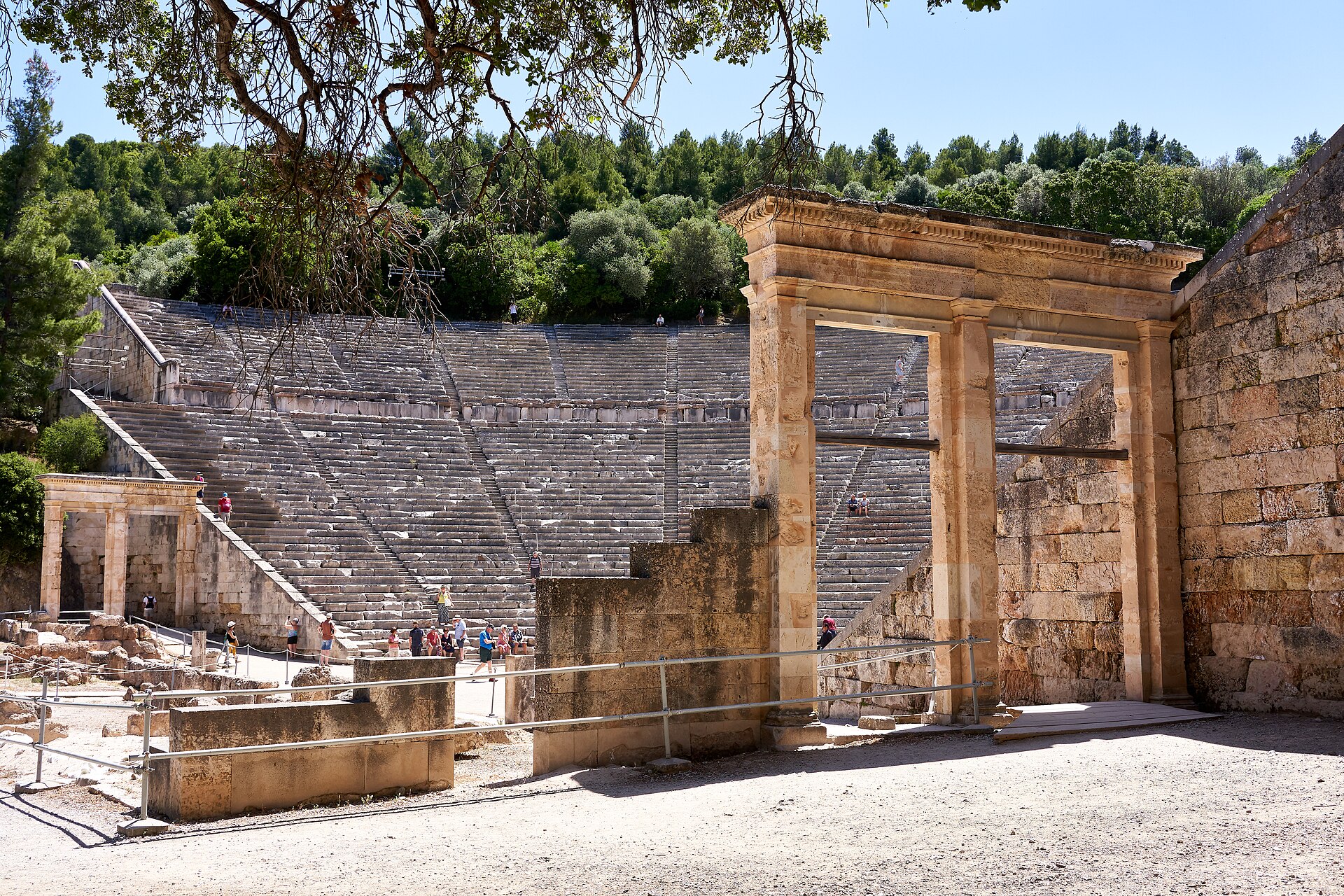
Trips into the Peloponnese often stop at the Corinth Canal, a narrow cut with sheer rock walls and blue water below. At Mycenae, visitors pass under the Lion Gate into a city once ruled by warrior kings. Nearby, the theatre of Epidaurus carries sound so well that a whisper reaches the top seats.
The seaside town of Nafplio has marble lanes, ice cream shops and the Palamidi fortress high above the bay. In the west, Ancient Olympia is where the Olympic Games began, to honor Zeus, king of the gods. Visitors can stand on the old running track and picture athletes racing for an olive crown.
Smaller tours suit solo travelers and couples who like a friendly, personal feel. With fewer guests, the guide has time for questions, and stops run on schedule. Full-day trips from Athens by coach are a sensible choice for first-time visitors. They reach Delphi or the Peloponnese in comfort, with no need to drive.
Guided walking tours help families and first-timers understand complicated sites like Mycenae. For travelers who like their own pace, entry tickets alone work well. They can wander, rest and take photos without a set plan, which suits slow travelers and keen photographers.
Multi-day tours with hotel nights suit anyone who wants to see a lot without planning each morning. Friends and retired couples often enjoy this style, since the bags travel with them. It means more time at each site and no rush back to Athens.
On most Greece tours in the mainland, a licensed guide leads the visit at each ancient site. This matters because the ruins can look like loose stones without a story behind them. A good guide explains who lived there, what they believed and why the place mattered to them.
Entry tickets are often part of the deal, which saves time at busy gates. Travelers can skip the ticket line and walk straight in with the guide. That leaves more energy for the site itself, especially in summer heat.
On multi-day trips, hotel nights are booked ahead as part of the tour. Guests arrive to a ready room and rest well before the next site. This removes a common worry about traveling in a new country, where finding beds each night can be tiring.
Mainland days involve long drives, so pick a seat near the front if winding roads upset your stomach. Bring snacks, a water bottle and a light jacket for cooler mountain air at Delphi and Meteora. Download offline maps too, since signal can drop in the hills. Pack tissues for roadside rest stops.
Monasteries ask women to wear long skirts and men to wear long trousers, and shoulders should be covered. Some lend wraps at the door, but it is easier to pack your own. Comfortable shoes help on uneven, rocky paths. Rest well the evening before, and the mainland days will feel much lighter.
Greece tours in the Cyclades give good value when they bundle several things into a single easy day. A boat ride, swim stops, a meal and a guide often come together. That way, travelers see more of the islands with far less planning, and everyone gets more time in the sea.
Santorini’s cliff villages hang above a huge flooded volcano crater, called a caldera. White houses and blue domes line the edge, and evening crowds watch sunsets turn the whole rim gold. On Mykonos, white windmills stand on a hill above the town, where they once ground grain in the strong wind.
A short boat ride from Mykonos lies Delos, a holy island that ancient Greeks saw as the birthplace of Apollo. Today the whole island is an open-air museum of temples, homes and the famous marble lions. Milos is known for its sea caves, where boats slip into hidden coves of bright water.
Naxos has an old town of narrow lanes that climb to a castle built by rulers from Venice. On Paros, the harbour of Naoussa is full of fishing boats, octopus drying in the sun and seaside tavernas. Travelers reading up on Greek islands for first-timers will spot these names again and again.
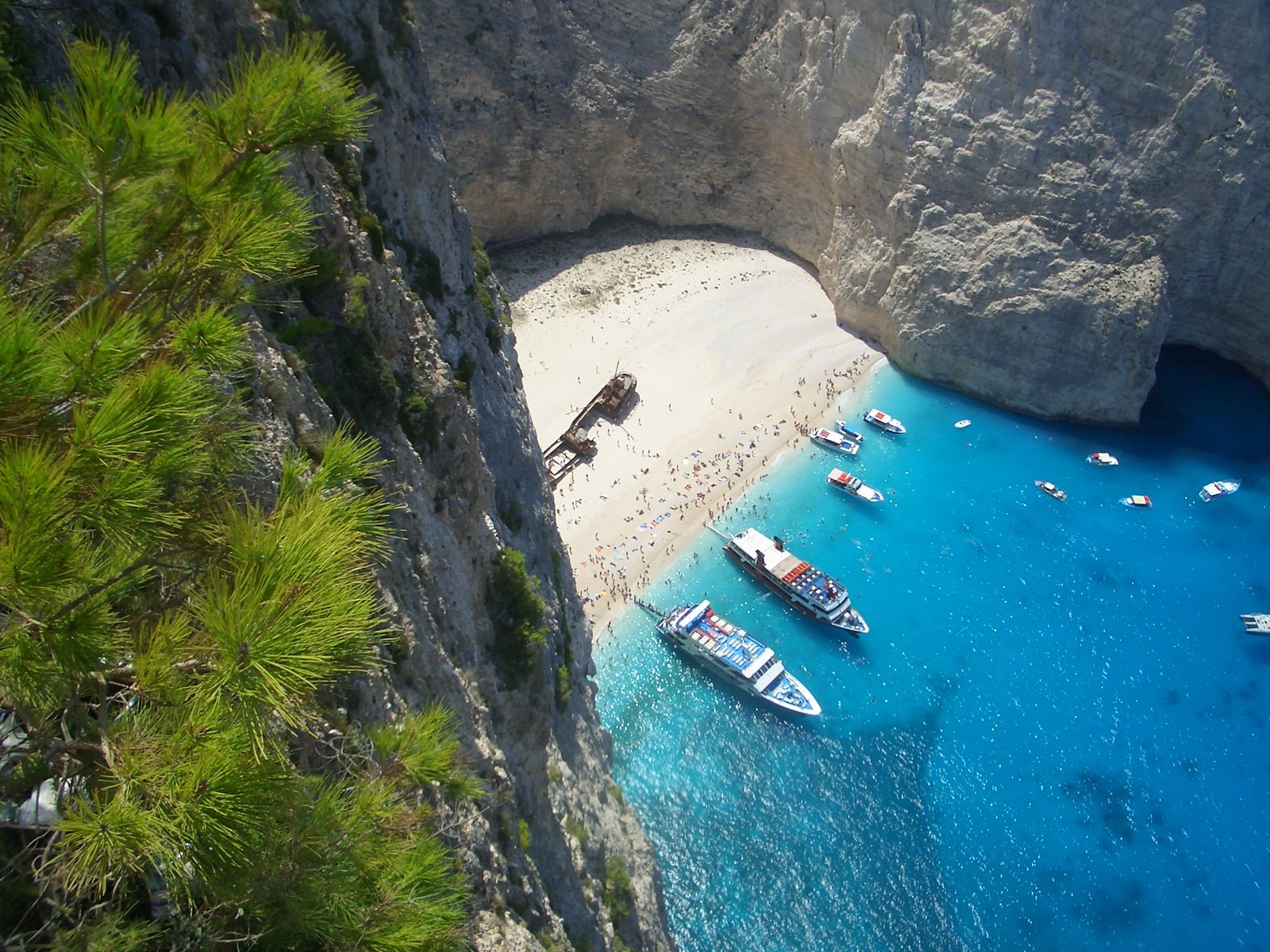
A private skipper is a wonderful option for couples and families who want their own boat for the day. The rate covers everyone on board, so it can work out well when friends share it. On land, a private driver-guide makes Santorini’s crowded roads easy to navigate.
Boat cruises with swim stops suit almost every traveler, from solo travelers to grandparents. Full-day trips from Athens by coach and ferry can reach a nearby island for those with little time. Snorkel and beginner scuba trips are great for curious teens and anyone who wants a first look underwater.
Cooking classes and wine tastings fit couples and food lovers. Many are held on family farms, where guests cook with island produce and taste wines from volcanic soil. They make a gentle evening after a day in the sun.
Boat days on Greece tours in the Cyclades often include lunch or a BBQ meal cooked on board. Drinks are usually part of the day, and some cruises keep them unlimited. This means travelers can relax and enjoy the view instead of hunting for a place to eat.
Snorkel gear comes with most sea trips, so nobody needs to pack masks or fins. Swim stops at quiet coves give a cool break from the sun. A licensed guide on Delos, or a local guide on board, makes each stop easier to understand.
Free time to explore matters too. Guests can wander a village, shop for sandals or sit in a café before the boat leaves. Some island days end with wine tastings at a family winery, a calm way to close the trip.
The Cyclades are windy, so take seasickness tablets before a boat trip if you need them. Pack a swimsuit, a towel, sunscreen and a hat that will not blow away. Water shoes help on pebbly beaches and rocky swim spots. Keep a light layer for breezy evenings on deck, even in summer.
Santorini and Mykonos get busy when cruise ships arrive, so visit the famous lanes early or late. Book boat days for the start of your stay, in case wind moves the trip. Carry some cash for small beach bars. A flexible plan makes Greece tours in the islands far more relaxed.
Greece tours on the large islands help travelers see far more in less time. Crete, Rhodes and Corfu are big, and a guide links beaches, castles and ruins in a smooth, well-planned day. Without a tour, much of the day goes to driving, finding parking and getting lost on mountain roads.
On Crete, Knossos was the great palace of the Minoans, a people who lived long before the temples of Athens. Legends place the Minotaur, a bull-headed monster, in its maze of rooms. In the west, Chania has a harbour lined with old houses and a stone lighthouse at its tip.
Elafonisi, on Crete’s far southwest coast, is loved for pink sand and calm, shallow water that children adore. On Rhodes, the medieval old town, built in the age of knights, still hides behind thick stone walls. Down the coast, Lindos is a white village under a hilltop acropolis, or high fortress.
Corfu old town mixes Greek and Italian styles, with arched walkways, pastel houses and old sea forts. On Kefalonia, Melissani is a cave lake with an open roof. When the sun is high, light pours through the gap and makes the water glow bright blue. Small boats row visitors across it.
Private tours with a driver-guide suit families and couples on big islands like Crete, where sights sit far apart. The fee is set per car, not per person, and the day can bend around naps and snack breaks. A private skipper does the same at sea, perfect for friends chasing quiet beaches.
Boat cruises with swim stops suit beach lovers of all ages. Guided walking tours fit first-timers in the old towns of Rhodes and Corfu, where lanes twist like a maze. Independent travelers often prefer entry tickets for Knossos, so they can explore at their own pace.
Cooking classes and wine tastings suit food lovers who want a taste of village life, often in a farmhouse kitchen. Travelers who start in the capital can join full-day trips from Athens by coach before flying out to the islands.
Many Greece tours on the large islands include lunch, often at a village taverna or as a beach BBQ. Drinks usually come with boat trips, and some keep them unlimited. A good meal keeps energy high on long, sunny days. It also offers a real taste of island cooking in a relaxed setting.
A licensed guide is a big help at Knossos, where the ruins can confuse first-time visitors. Entry tickets are often included, so nobody waits at the ticket window in the heat. A local guide also shares stories that few guidebooks mention.
Wine tastings on Crete show off local grapes that are hard to find abroad. Swim stops let travelers cool down between sights, and they turn a busy day into a true holiday. Families with young swimmers often say these breaks are the best part.
Big islands mean long drives, so choose a nearby area each day instead of crossing the whole island. On Crete, staying near Chania or Heraklion makes the main sights easy to reach. Bring a light sweater, since coach air can feel cold. Ask the guide about quiet beaches near the route.
Visit Lindos and Knossos early, before the day trips arrive and the stones heat up. Plan a Melissani visit around midday, when the light is at its best. Pack a swimsuit in your day bag, since a beach is never far. With a little planning, the large islands feel easy and fun.
Greece tours turn a big, busy country into simple days filled with ruins, beaches, good food and friendly guides. The capital brings ancient hills and lively streets. The mainland adds mountain monasteries and legendary theatres, while the islands offer boat days, caves and old towns. Each region rewards a slow, curious traveler.
Some travelers prefer a private car, while others love a lively boat, a walking tour or a cooking class. Checking the best time to visit Greece helps match each trip to calm seas and mild weather. Plan with care, leave space to rest, and Greece tours will give every visitor stories to share.
Many Greece tours include lunch, especially boat days and full-day trips out of the city. Some serve a BBQ meal on board, while short city walks usually do not include food. The tour details always list what is included, so check them closely before booking anything.
Many Greece tours allow free changes or cancellation up to a set time before the start. The rules differ for each trip, so read them closely when booking. Private tours are often the easiest to move to another day, since there are no other guests to consider.
Hotel pickup comes with many Greece tours in central Athens and the main island towns. Others ask guests to meet at a set point, such as a square or a harbour. The booking page explains which option applies, so there are no surprises on the day.
Most Greece tours on land still run in light rain or strong summer sun. Boat trips are different, because high winds can keep boats in port for safety. When that happens, organizers usually offer a new date or a full refund, so nobody loses out.
Yes, many Greece tours meet cruise guests right at the port in Piraeus, Santorini, Mykonos, Rhodes or Corfu. These trips are timed so travelers return well before the ship sails. It is a stress-free way to see the best sights during a short stop in port.
Yes, Greece tours are good value, because a single booking can cover transport, a guide, entry tickets and sometimes a meal. Arranging all of that alone takes time, research and a lot of effort. For first-timers especially, the saved stress and the expert stories are worth a lot.
Plan rest around Greece tours by leaving a free half day after every long outing. Keep early starts apart, and pick a hotel close to the meeting point. An exhausted traveler notices less and enjoys less, so proper rest belongs in the itinerary from the very first day.
Full-day Greece tours often mean a long coach ride, hours of walking under the sun and a late return to the hotel. Booking these excursions back to back exhausts even energetic travelers. A relaxing morning by the pool or a short stroll through town restores energy for the next adventure.
Travel days count as busy days too, even when nobody visits a single museum. A ferry crossing or a long drive takes more out of people than it seems on paper. The page on booking Greek ferries well helps travelers pick crossings that leave time to settle in.
Children and elderly travelers usually need more breaks than energetic adults expect. Families do best with one main outing a day and a calm afternoon after it. Couples and friends can push a little harder, yet a lazy day now and then still pays off.
Summer afternoons in Greece get very hot, and shade is rare at many ancient ruins. Smart Greece tours start early in the morning and finish before the strongest sun arrives. That leaves the hottest hours available for a nap, a swim or a long, relaxing lunch.
A quiet beach day works well after a busy run of sightseeing. The guide to the best Greek beaches lists calm spots that suit a slow afternoon. In the evening, a seat at one of the famous Greek sunset spots makes a gentle end to the day.
Spring and autumn feel milder, so Greece tours in those months allow longer walks and fuller days. Even then, water, a hat and a regular rest in the shade make a real difference. Regular rest keeps every traveler cheerful and curious until the final day.
Find the meeting point for Greece tours by reading the booking note closely and checking it on a map the day before. Then arrive early so the guide is easy to spot. A clear plan turns a stressful morning rush into a calm and comfortable start.
Every booking for Greece tours comes with a note that explains where to meet. It often names a square, a hotel lobby, a café or a port gate. Travelers should save this note on their phone and keep a paper copy in case the battery dies.
Some Greece tours offer hotel pickup, while others ask people to come to a central spot. Those staying outside the center can read the guide to getting around by public transport. Buses, metro lines and trams reach most city meeting points conveniently and cheaply.
Pickup times often come as a window rather than an exact minute. Travelers should wait in the hotel lobby for the whole window and keep their phone switched on. Drivers collect people from several hotels in turn, so small delays are completely normal.
Guides on Greece tours usually hold a sign, a small flag or a tablet showing the tour name. Arriving early provides enough time to find them without any panic. Late arrivals can miss the start, since coaches and boats leave on a tight schedule.
Ports and big squares get crowded in summer, so a quick visit the day before helps a lot. Meeting spots get even busier during seasonal events in Greece, such as Easter parades. Walking the route once shows how long it takes and where to cross busy roads.
A phone number for the tour office is worth saving before the day begins. If the location feels unclear, a quick call solves the problem immediately. Most guides on Greece tours wait a short while for people who are close by and in touch.
Choose private Greece tours for freedom, a flexible pace and the full attention of a guide. Pick shared Greece tours for a lower cost, a social feel and set times. Both types visit the same famous places, so the choice comes down to budget, pace and personal comfort.
Private Greece tours suit couples on a special trip, families with small children and travelers who need extra time. The driver waits, stops happen on request and the day bends around nap times. This freedom costs more, but many people find it worth the extra.
Private outings also help travelers with special needs, such as limited mobility or strict diets. The guide can choose easier paths, plan longer breaks and book suitable restaurants in advance. Nobody feels hurried, and nobody struggles to keep up with unfamiliar companions.
Private boat days work the same way. The guide to sailing holidays in Greece explains how a private boat lets travelers choose their own bays. Anyone who plans trips for friends or relatives can also read this full guide for trip organizers.
Shared Greece tours put strangers together on one coach, boat or walking route. They cost less and run at fixed times, which suits solo travelers and anyone on a tight budget. Meeting new people over lunch is often an unexpected bonus of the day.
Shared walking days are common on mountain paths, where a local guide knows the safest route. The list of top Greek hiking trails shows routes that work well on a shared outing. A few quick questions help settle the choice between the two types:
Many travelers mix both styles during one holiday. They choose shared Greece tours for famous sites and save a private day for a personal experience.
Guided Greece tours help because a trained guide turns old stones into living stories. The guide also handles tickets, timing and crowds, so visitors simply enjoy the place. In Greece, only state-licensed guides may lead tours inside archaeological sites and museums.
Many ancient sites look like piles of broken stone to a first-time visitor. A good guide explains what each wall once was, such as a temple, which was a house built for a god. Suddenly the distant past feels close, colorful and real.
Guides on Greece tours also share how Greeks live today, not only how they lived long ago. They point out family bakeries, village churches and old customs still alive in daily life. The guide to local Greek traditions adds more ideas for seeing this side of the country.
Guides also answer questions on the spot, which no sign or app can fully do. Children ask about gods and heroes, and a good guide turns those answers into fun stories. Adults learn the small, surprising details that most books leave out.
Guided Greece tours often include a stop for food, and guides know where local families eat. They explain each dish and suggest what to try next. The page on Greek food to try helps travelers order with real confidence.
A guide also knows the yearly calendar of local life. Some Greece tours line up with a lively Greek festival, with music, dancing and shared meals in the village square. Visitors then join the celebration instead of simply walking past it.
Practical tips from a guide save valuable time for the rest of the holiday. They know the quiet hour at a busy site, the best bakery near the hotel and the safest beach for kids. Those tips keep paying off long after Greece tours end.
The best Greece tours for a birthday trip mix one exciting activity with a memorable meal. A boat day, a sunset walk or an outdoor adventure turns an ordinary date into a celebration. The right choice depends on the age and energy of the birthday guest.
Teenagers and young adults often want real action and a little thrill on their special day. Kayaking past sea caves, snorkeling in clear coves and jeep rides over island hills are all popular choices. The guide to outdoor adventures in Greece lists many more options by land, sea and air.
Younger children enjoy gentler fun, such as a glass-bottom boat or a short pony ride in a village. Families with kids can pick shorter Greece tours that finish before lunch. That leaves the afternoon free for cake, a swim and presents.
Older travelers often prefer a slower pace with wonderful views. A scenic drive, an easy coastal walk or a visit to a hilltop monastery suits a calmer celebration perfectly. A long lunch in the shade afterward completes a peaceful and happy birthday.
Solo travelers celebrating alone can join shared Greece tours and meet friendly people from around the world. A day of hiking, sailing or cycling with new faces often feels like a party in itself.
Birthdays deserve beautiful photos, and Greece offers bright light and colorful backdrops almost everywhere. The page of photography tips for travelers explains how to catch the best light. Early morning and late afternoon give the softest glow for portraits.
Food makes any birthday feel special. Many city Greece tours pass through busy markets full of cheese, olives, honey and fresh bread. The guide to Greek food markets helps travelers gather tasty treats for a birthday picnic.
A birthday dinner by the sea makes a perfect ending to the day. Many tavernas, which are small family restaurants, happily help with a cake or a candle when asked.
Friends traveling together for a birthday can choose Greece tours with a lively mix of swimming, music and street food. A night walk through an old town, ending at a dessert shop, keeps the fun going after dark.
Greece tours that suit an anniversary feel calm, private and romantic. Wine tastings, quiet village walks and sunset cruises give couples time to talk, relax and enjoy each other. A slower pace matters far more than a long list of sights.
Vineyard visits make lovely anniversary Greece tours, especially in the Peloponnese, the large peninsula southwest of Athens. Couples walk between the vines, taste local wines and learn how grapes become wine. The guide to popular Greek wine regions shows where to go.
Many wine Greece tours also serve a light meal of cheese, olives and fresh bread among the vines. Tastings move slowly, so couples enjoy real conversation instead of a rushed and tiring schedule.
Old villages add a gentle charm to the day. Stone lanes, small churches and cafés under shady trees invite couples to slow down. The list of traditional Greek villages helps couples pick a peaceful place for a long lunch.
Some couples like to mark an anniversary with beautiful buildings and grand views. White cube houses, blue domes and ancient columns all appear on popular Greece tours. The article on famous Greek architecture explains the styles behind these sights in plain words.
Evenings belong to the sea. A sunset sailing trip, a quiet dinner on a terrace or a walk along a harbor creates a lasting memory. Private Greece tours for couples often end with a toast as the sky turns pink and orange.
A small surprise lifts the day even further. A handwritten note, a favorite song or a photo from the wedding day adds a personal touch to the celebration. Guides on private Greece tours often help arrange these small touches when asked in advance.
The best Greece tours for a honeymoon combine island beauty with a few days of culture. Short private outings, sunset cruises and visits to legendary sites leave plenty of time for rest. Newlyweds usually want romance first and busy sightseeing second.
Island Greece tours suit honeymoons because the pace feels naturally relaxed. A boat trip to hidden coves, a village cooking class and a slow drive to a viewpoint all work well. Each outing ends early enough for a long, romantic dinner.
Love stories run deep in Greek myths, which are old stories about gods and heroes. Many honeymoon couples enjoy visiting places linked to these tales. The guide to top Greek mythology sites points to temples and caves tied to famous legends.
Honeymoon Greece tours work best when travel between islands stays simple and short. Choosing islands close to each other cuts long ferry rides and gives newlyweds more lazy hours on the beach.
A day or two of culture balances the beach time nicely. Athens has excellent museums with statues, painted vases and gold jewelry from ancient times. The Greek art and museums guide helps couples choose the halls that interest them most.
Some honeymoon Greece tours follow a single story from start to finish. Couples can trace a legend from the page to the real hill, cave or spring where it began. The guide to Greek legends and historical sites turns these myths into a simple travel map.
Newlyweds should still keep the schedule light. A handful of guided outings in a week leaves room for lazy breakfasts, swims and unplanned walks. Spacing out excursions this way keeps the honeymoon feeling like a holiday rather than a race.
Greece tours that suit a family reunion offer easy walking, shared meals and stories that every age enjoys. Private coach days, history walks and boat trips keep relatives together without stress. The real aim is connection, so the plan should leave time to talk.
Family reunions bring grandparents, parents and children together, and ancient history gives them a shared topic. Grandparents enjoy the big stories, while kids love tales of heroes and the first Olympic Games. The page on Greek history worth knowing offers a simple overview before the trip.
Ancient sites work best with a guide who keeps things lively. Only state-licensed guides may lead tours inside Greek archaeological sites and museums, so the stories come from trained experts. The practical guide to Greek ruins explains what to see and how to visit.
Good timing helps everyone keep up. Early starts beat the summer heat, and regular shade breaks suit older relatives and small children alike. Greece tours with frequent stops also give everyone time to chat and catch up between sights.
Long family meals sit at the heart of Greek life, so they fit a reunion perfectly. Many Greece tours include a lunch stop at a taverna with big tables and dishes meant for sharing. Grilled fish, salads and warm bread pass from hand to hand.
Market visits and cooking classes give relatives a fun task to share. Cousins chop vegetables, grandparents share old family recipes, and everyone eats the delicious results together at one long table. These hands-on Greece tours often become the favorite memory of the reunion.
Boat days also suit relatives of all ages. Everyone can swim, rest on deck or chat in the shade, and nobody has to walk far. A few simple choices make family reunion Greece tours run smoothly:
Relaxed Greece tours like these give relatives exactly what they came for. Long talks, shared laughter and new family photos stay with everyone long after the trip ends.
Greece tours visit bright island villages, ancient mainland ruins and large islands with mountains and beaches. Each area mixes history, food and sea in its own way. Most first-time visitors combine a few days in Athens with at least one island.
The Cyclades are a ring of small islands in the Aegean Sea, southeast of Athens. Greece tours here focus on white villages, clear water and slow island life. Ferries link most of them, so travelers can easily see more than one on a single trip.
The mainland holds the oldest and most famous ancient sites in Greece. Day Greece tours from Athens reach many of them by comfortable coach or private car. A licensed guide explains the ruins, since only state-licensed guides may lead tours inside archaeological sites.
The large islands feel like small countries, with mountains, cities and long coastlines. Greece tours on these islands mix history, beaches and village food. Travelers need several days on each one to see the main highlights without rushing.
The best way to plan Greece tours over four days is to start in Athens and add one mainland day trip. The last two days then go to a single island. This simple plan avoids rushing and still shows the main sides of Greece.
Most Greece tours begin in Athens, the capital, because flights land there and the top sights sit close together. An early visit to the Acropolis beats both the heat and the crowds. A guide explains how the Parthenon, a temple to the goddess Athena, has stood for thousands of years.
The afternoon suits a slow walk through Plaka, the old town below the hill, with lunch in a shaded taverna. The Acropolis Museum nearby shows original statues and carvings from the hill. In the evening, a rooftop dinner facing the lit temple ends the first day beautifully.
Travelers who like to set their own pace can mix guided visits with free time. The page on self-guided itinerary planning shows how to build days without a fixed tour. Even then, a guided Acropolis visit adds stories that signs cannot give.
Families with children can add a short stop at the changing of the guard outside the Parliament building. The soldiers in traditional uniforms march in slow, high steps that kids love to watch. Short Greece tours like this keep young travelers interested all day.
Delphi makes an ideal full-day trip from Athens, with wide mountain views over olive groves. Ancient Greeks believed this mountain spot was the center of the whole world. They came to ask the oracle, a priestess who spoke for the god Apollo, about the future.
Other Greece tours head southwest to the Peloponnese instead. In one day, travelers see the Lion Gate at Mycenae, the huge theater at Epidaurus and seaside Nafplio. These sites tell stories of kings, heroes and early Greek life.
Couples and solo travelers who love history often pick Delphi, while families tend to enjoy the Peloponnese. Climbing to the top row of the theater at Epidaurus and hearing a whisper from the stage delights children. Both day trips return to Athens in time for dinner.
Both choices make long, full days, with plenty of time spent on the road. Comfortable shoes, water and a hat make the long walks around the ruins much easier. A quiet dinner back in Athens then sets travelers up for the islands.
The last two days belong to the sunny islands of the Aegean Sea. A fast ferry or a short flight from Athens reaches Santorini, Mykonos, Naxos or Paros. Many travelers choose just one island to avoid spending a short break in ports.
On the island, Greece tours shift to a slower rhythm, with a boat trip, a food tour or a wine tasting. The second day stays free for the beach and a last sunset dinner. Travelers who visit in spring or autumn find calmer beaches and cooler walking weather.
Packing light makes island days much easier and far less stressful. A small bag fits on fast ferries and narrow village streets, and it saves time at every port. Island tours often include short walks on stone paths, so good sandals help too.
Those with more time can stretch this plan into a full week. A seven-day Greece itinerary adds a second island and more beach time. The guide to Greek island hopping explains how ferries link the islands.
Travelers often ask the same practical questions before booking Greece tours, from tipping and photo stops to language and access. Short, clear answers to the questions that come up most often follow below.
Tipping is not required on Greece tours, but a small tip for a good guide or driver is common and always appreciated. Travelers usually hand it over at the end of the day. The amount depends on the length of the tour and the quality of the service.
Yes, Greece tours almost always include photo stops at famous viewpoints, temples and harbors, and guides often suggest the best angles. Some museums do not allow flash or tripods, so travelers should check the rules at the door. Flying drones over ancient sites needs special permission.
Yes, nearly all Greece tours run in English, and many also offer other major languages such as French, German, Spanish or Italian. Travelers should check the language of the guide when booking, especially for smaller tours. Private tours can often match a guide to the language a family speaks best at home.
Some Greece tours suit wheelchair users well, especially private tours with adapted vehicles and routes planned around ramps and smooth paths. Ancient sites often have uneven stones, steps and steep slopes. The Acropolis has a lift for visitors with limited mobility, and travelers should confirm access details before booking.
When weather cancels Greece tours, operators usually offer a new date or a full refund, so travelers lose nothing but time. Strong summer winds stop some boat trips, while extreme heat can close ancient sites at midday. A spare day near the end of the trip makes rebooking much easier.
Yes, travelers can thank a guide on Greece tours with a warm word, a small tip or a recommendation to friends. Guides remember kind words from travelers long after the tour ends. A short thank-you note sent later also means a lot to them.
See more in Airconditionbotis: